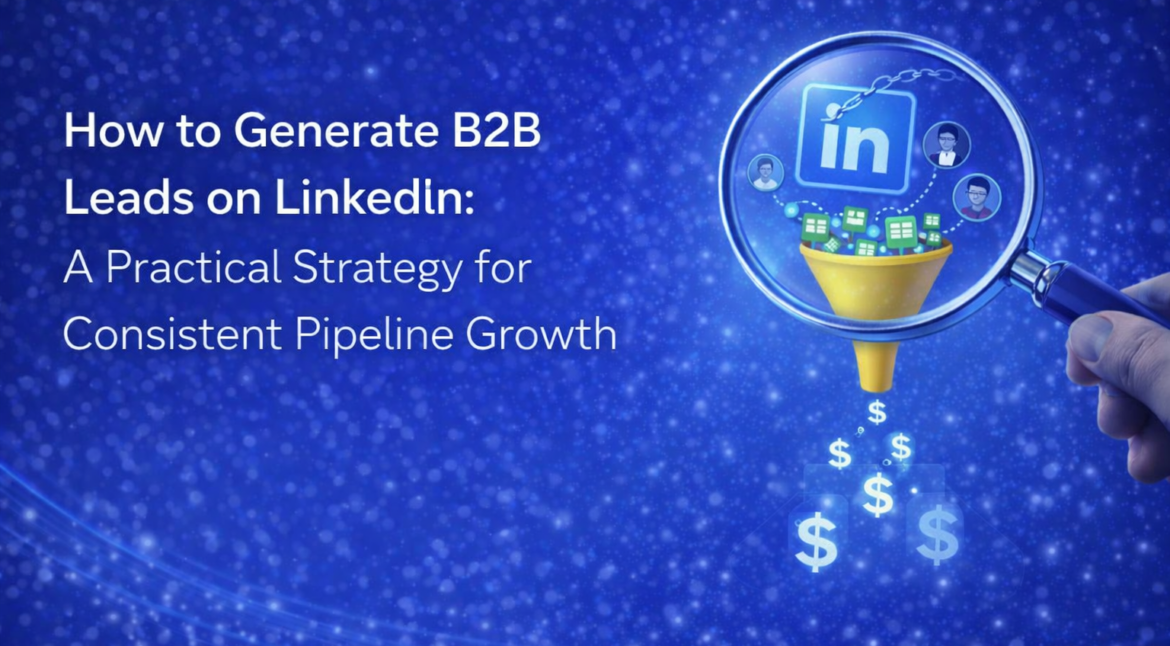
Generating B2B leads on LinkedIn requires a structured process built around targeting, positioning, outreach, follow-up, and lead management. It is not enough to send connection requests and hope for replies. Teams need a clear audience, a relevant offer, strong messaging, and a follow-up system that moves prospects toward a conversation. Platforms like BixJet help businesses manage LinkedIn outreach, organize follow-ups, and track leads in one workflow so the process stays consistent and easier to scale. The strongest results come from discipline, not random activity.
LinkedIn works well for B2B lead generation because decision-makers are already there. Founders, sales leaders, operations heads, recruiters, consultants, and buyers use the platform every day. That gives sales teams direct access to qualified prospects without relying only on paid ads or referral networks. But access alone does not create leads. Process creates leads.
Many teams fail because they confuse activity with pipeline. They send a batch of connection requests, get a few accepts, and then stop. There is no follow-up logic, no lead qualification, and no clear next step. That is not lead generation. That is incomplete outreach. To generate B2B leads consistently, LinkedIn needs to operate like a system, not a side task.
Start with targeting and positioning
Every lead generation system begins with audience clarity. Before writing a message, define exactly who you want to reach. Focus on role, industry, company size, geography, and likely business need. A message to a SaaS founder should not sound like a message to a manufacturing operations manager. The tighter the audience definition, the stronger the outreach becomes.
Positioning matters just as much. Prospects do not respond because your company exists. They respond when your message connects to a business problem they already care about. That means your offer must be easy to understand and commercially relevant. If the value proposition is vague, response rates will stay weak even with a strong lead list.
A solid LinkedIn lead generation setup should include:
- a clearly defined ideal customer profile
- a relevant profile headline and positioning
- a focused outreach message
- a follow-up sequence with a clear goal
- a system for tracking replies and lead status
These elements work together. If one part breaks, the rest of the process suffers. For example, strong messaging cannot save poor targeting. Strong targeting cannot save weak follow-up. B2B lead generation depends on alignment across the full sequence.
Use outreach and follow-ups as a system
Once targeting is in place, the next step is structured outreach. Start with a professional connection request that feels relevant and low-pressure. After acceptance, follow with a message that creates context and gives the prospect a reason to engage. Do not rush into a hard pitch. Strong outreach creates interest before it asks for time.
Follow-up is where most B2B leads are either built or lost. Many prospects do not respond to the first message, but that does not mean they are not interested. It often means they are busy, distracted, or unconvinced by the first angle. A follow-up sequence solves that by keeping the conversation active without becoming repetitive.
This is where BixJet becomes useful for sales teams. It helps manage LinkedIn outreach, automate follow-up timing, and keep prospect conversations organized in one place. That matters because lead generation gets messy fast when reps handle everything manually. Missed follow-ups and poor visibility create pipeline leakage.
To generate B2B leads on LinkedIn, teams need more than effort. They need a repeatable process with proper targeting, relevant messaging, and follow-up discipline. When those parts work together, LinkedIn becomes more than a networking platform. It becomes a reliable source of qualified conversations, sales opportunities, and long-term pipeline growth.